Motorsport Suppliers: How to turn brand heritage into sales wins

Six Lines - Motorsport Marketing Support
Motorsport heritage is proof that your brand performs under pressure, so don’t just make it a timeline.
Spend enough time inside an established motorsport supplier (possibly the best part of our job) and the history tends to be everywhere. There are old components on shelves, photographs from race weekends, prototypes that never made it beyond development, stories about impossible deadlines and customers who first called twenty years ago and still call now. Someone in the business can usually tell you exactly why a particular part looks the way it does, who first asked for it, what went wrong during testing and what changed afterwards… and then you visit the website and all of that becomes three lines on an About page.
“Founded in 1987. Decades of motorsport experience. Trusted by leading teams.”
All true. A great achievement. And none of it tells a future customer why they should buy from you.
That is the missed opportunity with motorsport heritage. Used correctly, it tells potential clients what your company has learned by spending years solving difficult problems where performance, reliability and timing are essential. For a supplier trying to grow, especially into OEM programmes, Tier 1 relationships, defence or specialist engineering, that history carries a lot of commercial weight, but only if the buyer can understand what it proves.
Your history already has a job
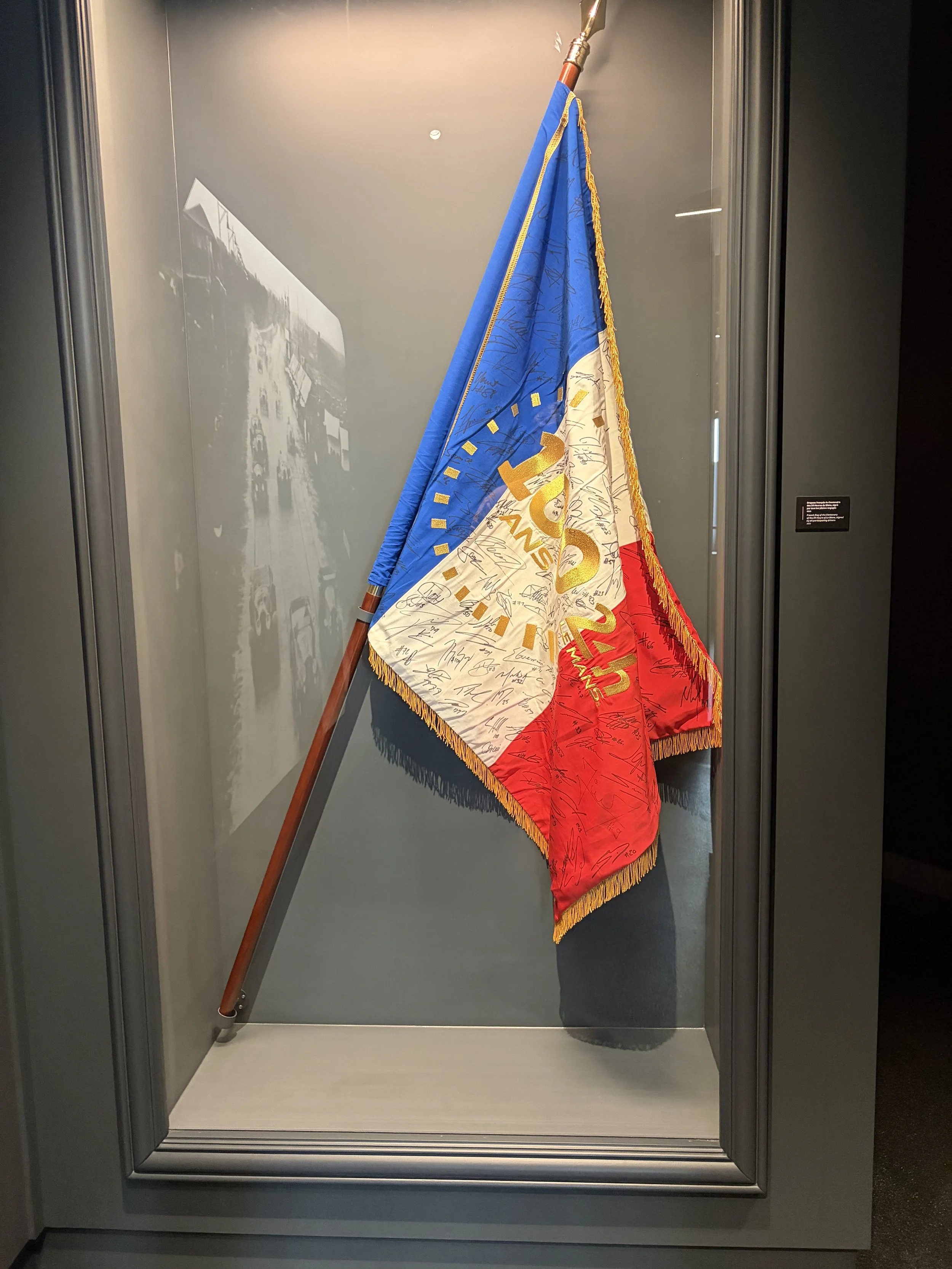
When a potential customer looks through your history, they are usually searching for clues about what it would be like to work with you today. A race win might show that your product operated successfully in a demanding environment. A long relationship with a team can suggest consistency and support. Years supplying a championship can demonstrate that your manufacturing and quality processes have been tested repeatedly. A product that evolved over several seasons can show how your engineers respond when the first answer is not good enough.
All of that helps with questions that naturally come up during a buying decision. Has this company dealt with problems like ours before? Can they manufacture consistently? How quickly will they respond when something goes wrong? What have they learned from years of putting products into demanding applications? The strongest motorsport heritage gives buyers useful evidence against those questions rather than simply asking them to admire a list of achievements.
Unfortunately, plenty of motorsport businesses still leave that connection buried. The dates, championships, famous customers and years of experience are all there, but the customer has to work out for themselves what any of it says about the company they might buy from today.
The logo wall can only take you so far
Motorsport businesses often have enviable customer lists. Formula 1 teams, Le Mans programmes, rally teams, major manufacturers, famous drivers and specialist vehicle makers can all add credibility, so it is understandable that those names end up prominently on websites and sales material. Within motorsport, some of them may carry plenty of meaning on their own. Outside that immediate circle, though, the buyer may recognise the name without knowing what your involvement actually amounted to. A procurement manager at an OEM could be looking at a team logo with no idea whether you supplied a critical component, a small batch of brackets or some stickers for the hospitality unit.
The useful part is usually the story behind the name. What did the customer need from you? What made the application difficult? What constraints did your engineers have to work around? How did the product develop once it was being used properly? Even a small amount of detail can turn a familiar logo into evidence of capability, without revealing confidential engineering or turning every project into a lengthy case study.
A supplier might say that it has worked with endurance racing teams for more than twenty years. That already carries some weight. Add that those years exposed its products to repeated heat cycles, vibration, awkward servicing conditions and the sort of weaknesses that short tests rarely uncover, and the buyer learns something more useful about the company. They can see where some of its engineering judgement came from, and why that experience could matter to their own programme.
The useful stories are often not the glamorous ones
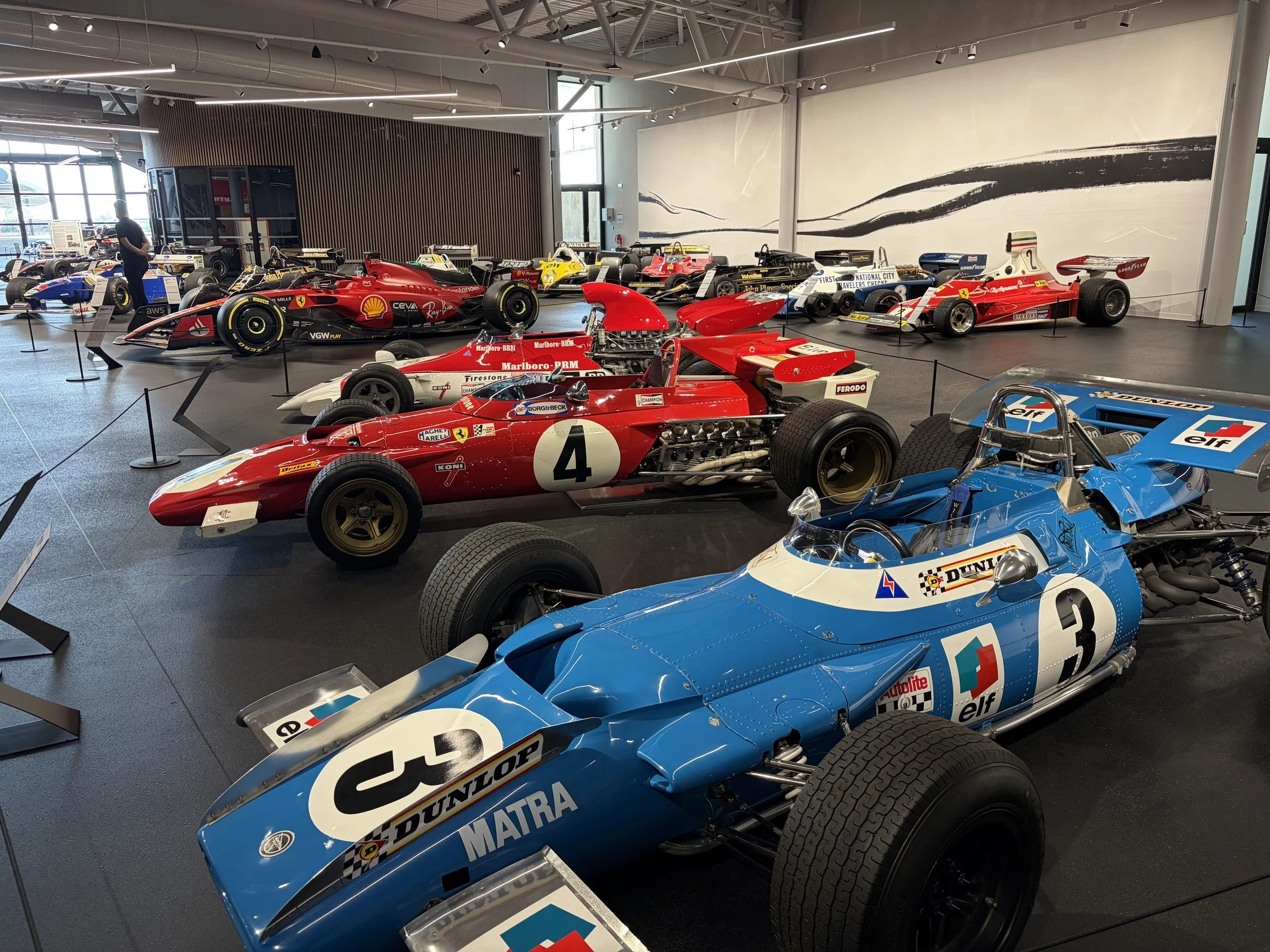
Motorsport companies naturally reach for the biggest names and the best results when they talk about their history, but some of the most persuasive stories are usually hiding elsewhere. Perhaps a customer needed a replacement component before the next race and your team redesigned, manufactured and shipped it in time and you could only achieve this because you do everything in-house. Perhaps a recurring failure led to a change in material, joining method or manufacturing process that is still used today. A product developed for one unusual application might have become a standard item because other teams were struggling with the same problem. A customer relationship might have survived several generations of engineers moving through the organisation because your thermal management is unrivalled.
Those stories say a great deal about how the company works. They show judgement, responsiveness, repeatability and the sort of knowledge that builds up after years of solving real problems. For a potential customer, that can be more useful than simply knowing which championships you have supplied. It gives them a sense of how your people respond when the first idea does not work, a deadline becomes uncomfortable or an application exposes a problem nobody expected.
Motorsport is full of those stories, and they are often the ones people remember when you walk around a workshop with them. They also tend to be far more convincing than another paragraph about passion, performance and a proud racing heritage.
What did motorsport actually teach you?
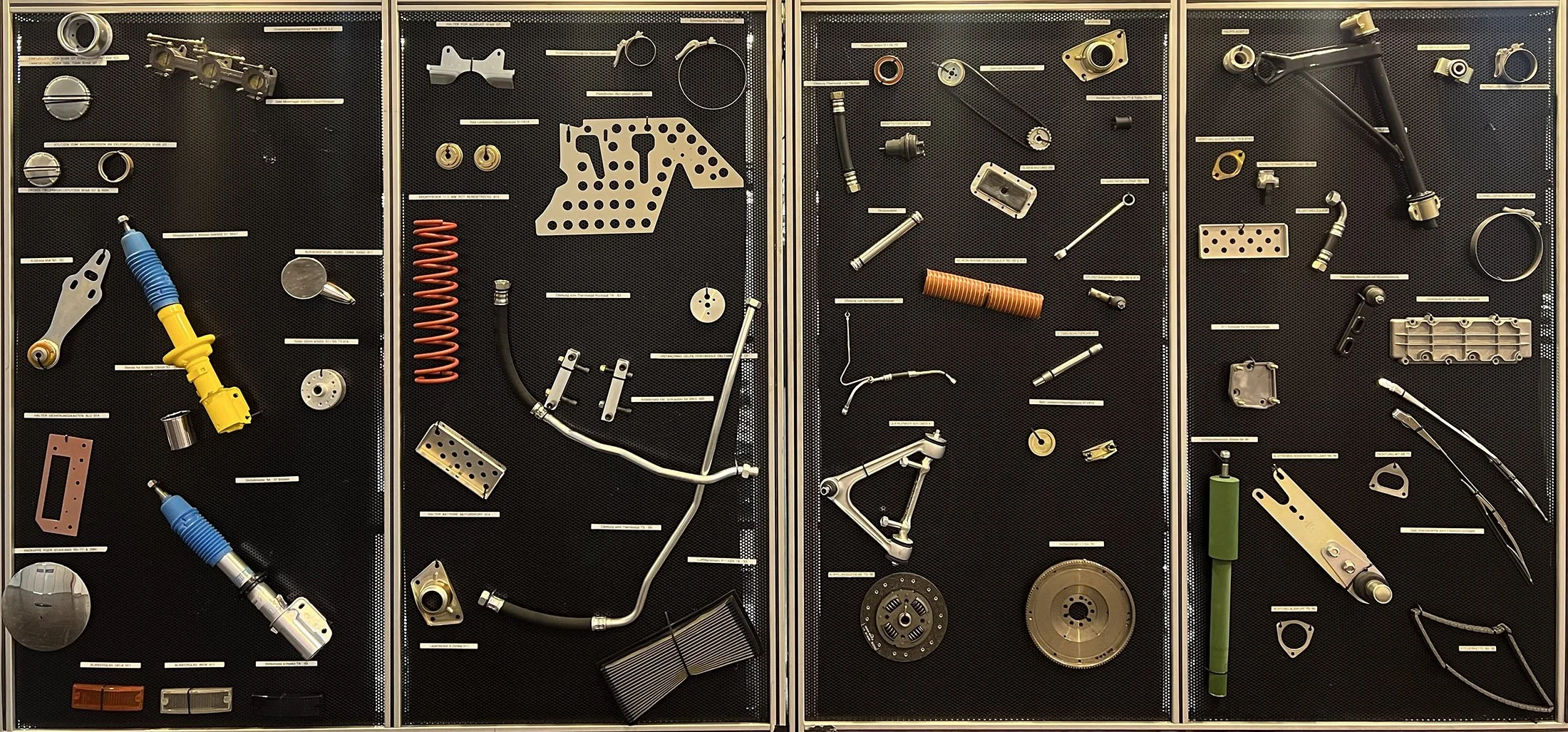
This is one of the questions we tend to ask when we are talking to an established motorsport supplier. If your business has spent twenty, thirty or forty years in the industry, what has that experience taught you? The answer is always far more interesting than the founding date. Endurance racing may have shaped the way a company thinks about durability, heat cycling and long-term reliability. Single-seaters may have forced engineers to become particularly good at packaging, installation and access. Rallying can teach hard lessons about contamination, impact and repair away from ideal workshop conditions. Historic racing brings its own challenge of improving reliability while preserving the character of the original car.
The most useful answers are often buried in things that have become normal inside your business. A particular material choice. A manufacturing process that changed after a failure. A design detail that exists because an older version proved awkward to service. A quality check introduced after years of supplying demanding customers. The people inside the company may think this is just the way things are done now, but they tell a future customer a great deal about how the business has learned and improved.
If you can explain that clearly, your heritage starts doing much more than proving how long the company has existed.
Heritage matters even more when you move beyond motorsport
IInside motorsport, reputation travels through people. Engineers move between teams, suppliers are recommended, products are seen on cars and in garages, and stories about who solved what tend to travel with them. A company can be very well known in its part of the paddock even when its website barely explains why its experience matters. Once that business starts trying to win OEM, Tier 1, defence or other specialist engineering work, much of that shared knowledge disappears.
The first person you meet may understand the significance straight away. An engineer might immediately see why years of solving heat, vibration, packaging or reliability problems in competition are relevant to their programme. The opportunity then moves through the organisation. Procurement wants to understand supply risk. Quality wants evidence of repeatability and process control. Programme teams want confidence that you can integrate with a larger development process and support it over time. Senior people may only ever see a few slides, a website page or an internal summary of the original conversation. Six Lines calls this “Decision Rooms”
This is where motorsport heritage becomes particularly useful, because the experience can to help those people understand why the company deserves serious consideration. If a component survived repeated endurance use, explain what that taught you about durability and failure. If your engineers regularly dealt with difficult packaging constraints, show how that experience affects the way you approach integration today. If race programmes demanded rapid design changes and fast manufacture, explain what that says about your development capability and responsiveness. The achievement still matters, but the lessons behind it are what help the story travel.
For companies moving beyond motorsport, that translation can make the difference between an interesting first meeting and a proposition that still makes sense several conversations later. The people further into the buying process may know very little about the championship, team or car that gives your experience meaning inside motorsport. Your marketing has to give them enough context to understand what was demanded of you, what you proved, and why that experience should give them confidence in their own programme.
Your sales team probably knows more of this than your website does
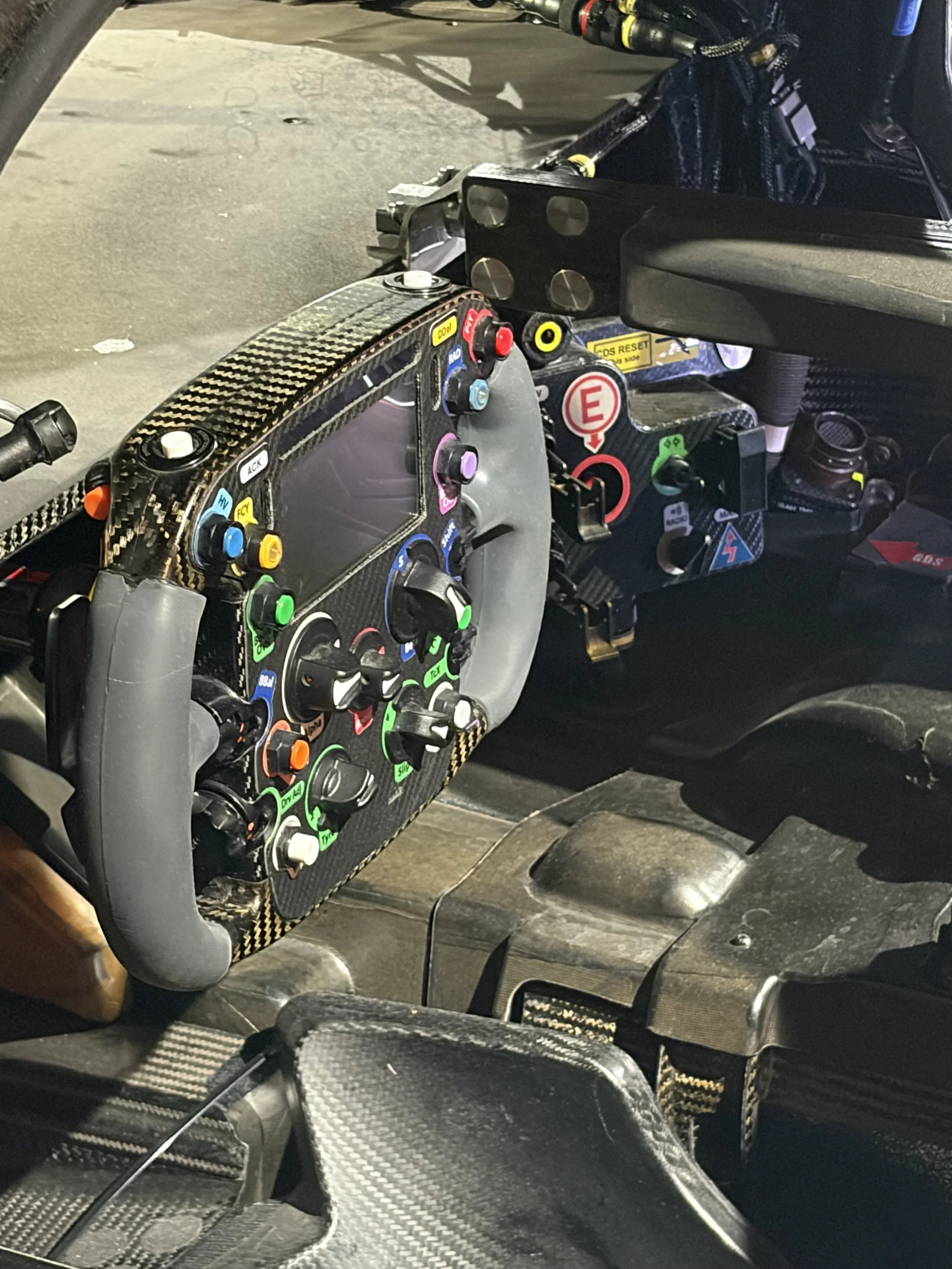
One of the easiest ways to find the interesting parts of a motorsport business is to walk around it with someone who has been there for years. A founder, engineer or experienced salesperson will point at a machine and explain why it was bought, pick up an old component and tell you what problem it solved, or remember the customer who asked for something everyone initially thought was impossible. Within half an hour, you can understand far more about the capability of the company than you would from reading its website.
Those stories often contain some of the best sales material in the business, but too much of it depends on having the right person in the room. The website, presentations, case studies, exhibition graphics and product material should capture enough of that knowledge that a potential customer can still understand what makes the company good when nobody is standing beside them explaining it.
It becomes particularly important as a buying decision spreads through an organisation. A good conversation becomes an internal email. A presentation gets forwarded. Someone in procurement searches the company name. A quality manager opens the website. A senior person might see three slides from your presentation without hearing any of the conversation that surrounded them. Good marketing carries enough of the knowledge that normally lives in the room for the story to keep making sense when you are no longer there.
Where heritage should actually appear
The About page is the obvious home for company history, but it should not be the only place a potential customer encounters it. If years of motorsport experience help explain why a product is designed a certain way, that story belongs on the product page. If an old programme demonstrates expertise in thermal management, durability, safety or packaging, it can support the relevant capability page. If a particular customer relationship says something useful about how the company works, it can become part of a case study, presentation or sales conversation.
The same thinking applies at events and on LinkedIn. One good photograph from the archive can be useful if the story around it explains something about the company today. An exhibition stand can use a historic car or programme to start a conversation about current capability. A sales presentation can bring in an older project when it helps answer a question about experience, reliability or development. The point is to use the history where it helps somebody understand what they are considering buying now.
This is especially useful when you’re entering a new market. Someone working in motorsport may immediately recognise the significance of a particular team, race or championship. An OEM or defence buyer may need more context. Putting the right piece of heritage alongside the capability you are trying to sell gives them that context at the moment they need it.
How Six Lines can help you use your heritage
Six Lines works with motorsport and specialist automotive suppliers that often have years of experience, strong customer relationships and genuinely interesting engineering stories sitting inside the business. Much of that knowledge is obvious to the people who work there, but far less obvious to the people deciding whether to buy from them.
We help uncover the stories and proof that are worth using, then work out where they will have the most effect. That might mean changing how a capability is explained on the website, bringing a long customer relationship into a sales presentation, building a case study around what a difficult programme actually taught the business, or using heritage to give a new market more confidence in what the company can do today.
If thirty years of motorsport experience gives your company an advantage, future customers should be able to understand why.
If your company has a better story than your marketing currently tells, we should probably talk…
This article is part of Perspectives, our series of practical views on automotive marketing problems.